Words and Wildfire
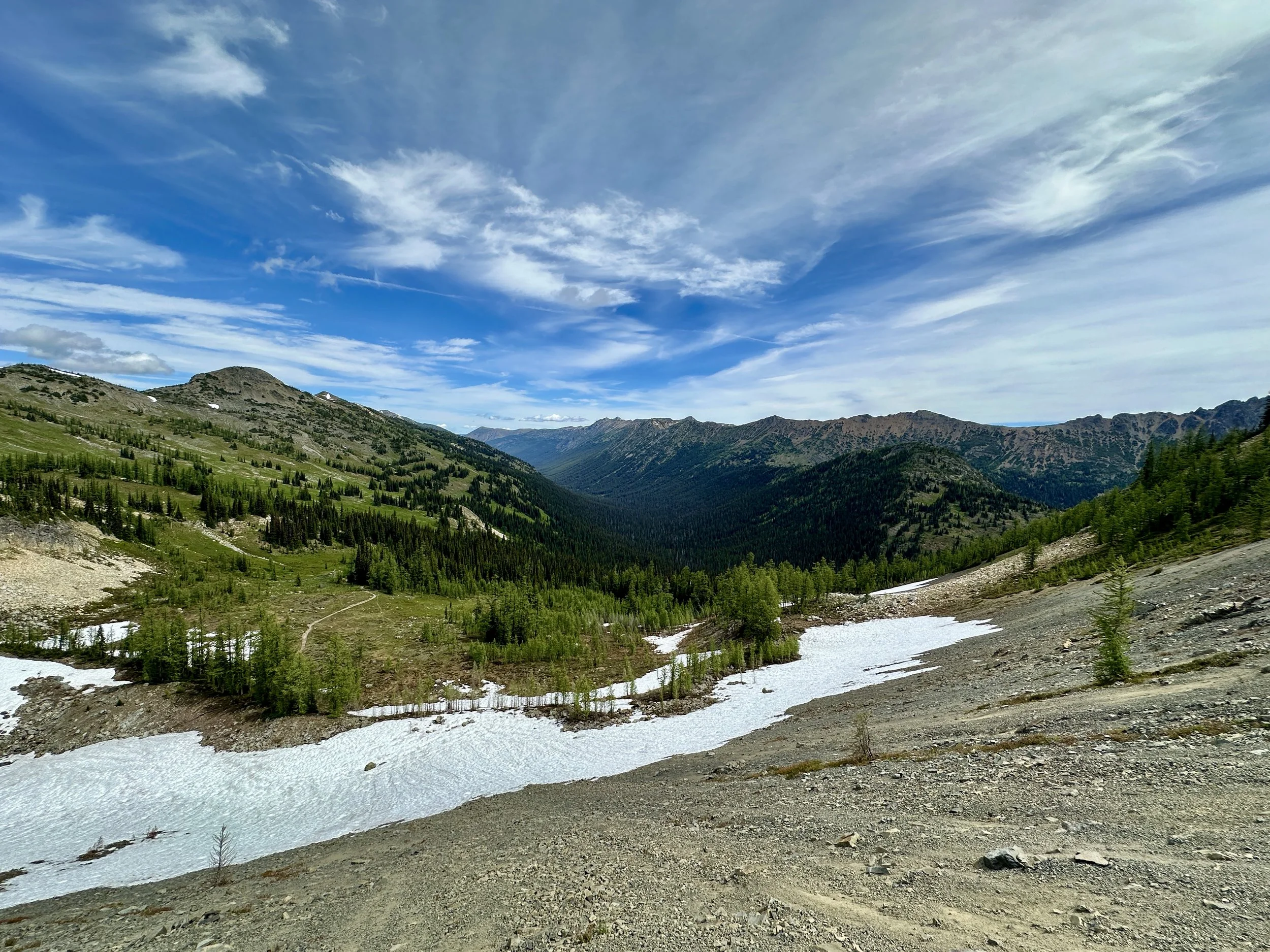
Earlier today, backpacks at the ready by our front door, Robert and I prepared to depart for the North Cascades. This would be our second trip to Hart’s Pass this summer to survey for wolverines and Canada lynx. We’d been watching the Ptarmigan Fire in the Pasayten Wilderness for days, noting its rapid progression toward the Canadian border. Our intention was to hike the Pacific Crest Trail (PCT) fifteen miles north to our remote camera stations—only one drainage west of the raging blaze.
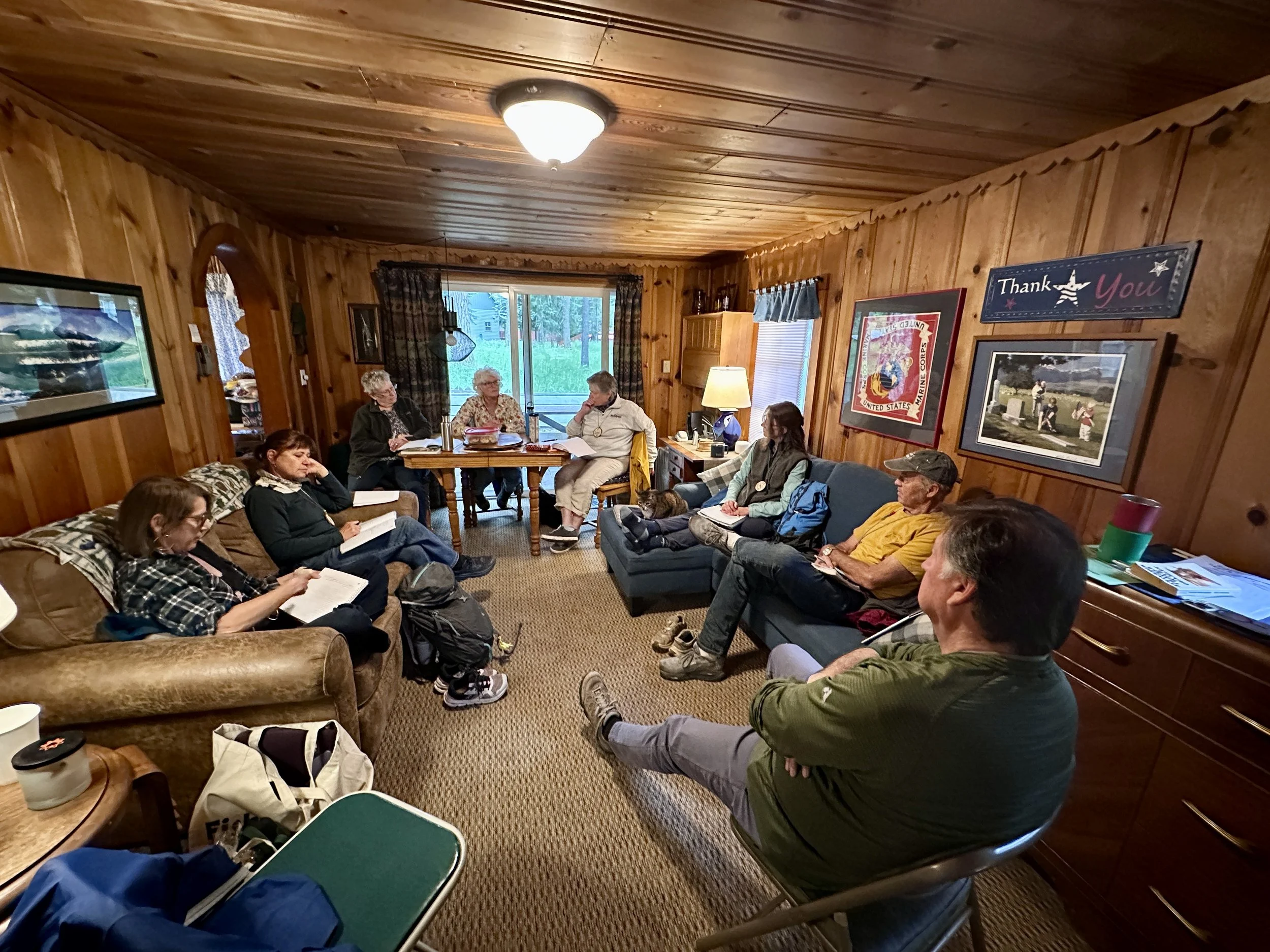
Now at my computer, field plans canceled, PCT closed due to risk posed by the fire, I’m reflecting on thoughts offered by my workshop leader at the recent Summer Fishtrap Gathering of Writers. Chip Blake edited Orion magazine for more than two decades, with an interim stint at Milkweed Editions. He knows nature writers, including some of the best. As our intimate group grappled with why we were driven to write—despite the challenges, the hardships, the haunting self-doubt—Chip shared his observation that many writers need to do so to process the world around them. I felt my eyes sting. I am one of those writers.
Two weeks ago, Robert and I stood near Hart’s Pass, high above the Middle Fork Pasayten Trail, which could soon lead straight into the growing Ptarmigan Fire. We’d just descended to a camera that had photographed lynx, black bears, and other beings who inhabit that deep, ancient forest. The trees are their home, and they have no other. I’ve seen their images, their scats, their tracks. I’ve wondered at their mystery, imagined their day-to-day lives.
We’ve hiked the Middle Fork perhaps a dozen times over the years, yet the wildness of this place never ceases to undo us. “I hope that forest never burns in a megafire,” Robert said as he peered down into the drainage. I could feel the love and heartbreak in his words.